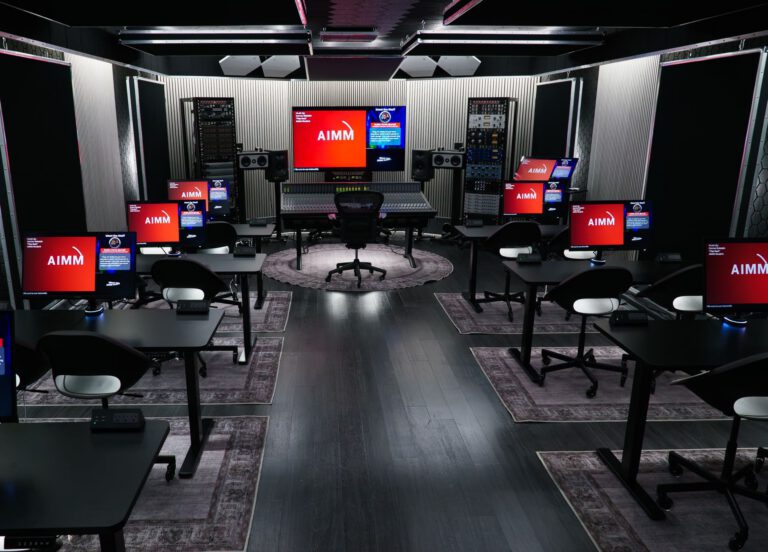
Music Festival Careers: Jobs in Live Event Production, Touring, and Festival Audio

Key Takeaways:
- Music festival careers include live sound, touring, stage production, media creation, and event operations.
- The live entertainment industry relies on technical, creative, and organizational professionals behind the scenes.
- Hands-on production skills and real-world experience can help prepare students for careers in live event production and touring.
When most people attend a music festival, they focus on the artists performing on stage. But behind every successful live event is a large team of technical and creative professionals responsible for making the experience possible.
From live sound engineers and stage managers to touring crews and media teams, music festival careers involve a wide range of roles that keep live entertainment running smoothly.
As live events and touring continue to grow around the world, the demand for professionals with audio, production, and event coordination skills has increased across the music industry.
In this guide, we’ll explore careers in live event production and touring, the skills needed for festival industry jobs, and how aspiring professionals can begin building experience in this fast-paced field.

What Are Music Festival Careers?
Music festival careers involve working behind the scenes to help plan, manage, produce, and execute live entertainment events. These careers can range from highly technical production roles to organizational and creative positions that support artists, audiences, and event operations.
Large music festivals often rely on hundreds of professionals working together across audio, lighting, stage production, logistics, artist relations, media production, and event coordination.
Some professionals work full-time within the touring and live entertainment industry, while others freelance and travel between festivals, concerts, and touring events throughout the year.
As festivals continue to evolve with new technology, immersive experiences, and digital media integration, opportunities within the live event industry continue to expand.
If you’re exploring broader career opportunities in audio and production, check out our guide on careers in music production.
These careers often combine technical production skills, collaboration, and fast-paced problem-solving within large live entertainment environments.
Live Sound Engineer Careers
Live sound engineers play one of the most important technical roles at music festivals and live events. Their job is to ensure that performers and audiences hear clean, balanced audio throughout a performance.
Front of House (FOH) engineers manage the sound heard by the audience, while monitor engineers focus on the audio performers hear on stage.
These professionals work with mixing consoles, microphones, signal processors, wireless systems, and large-scale speaker setups to create high-quality live sound environments.
Unlike studio recording, live audio production happens in real time. Engineers must be able to troubleshoot problems quickly, adapt to changing environments, and maintain consistent sound quality during performances.
Live sound engineers often travel with artists and touring productions, making this an exciting career path for individuals who enjoy music, technology, and live events.
Students interested in developing foundational audio skills can explore programs like AIMM’s online music production school to gain experience with modern production workflows and technical audio concepts.

Stage Production and Event Crew Roles
Behind every festival stage is a production crew responsible for building, organizing, and managing the event environment.
Stage production teams include stage managers, backline technicians, lighting crews, rigging specialists, video operators, and production assistants who work together to prepare performances and maintain efficient operations.
Backline technicians help manage instruments, amplifiers, drum kits, and stage equipment for artists and performers. Lighting and video crews handle visual production elements that enhance the audience experience.
These roles often involve long hours, physical work, and close collaboration with artists, managers, and technical teams.
Festival production environments move quickly, requiring strong communication, adaptability, and teamwork to ensure performances stay on schedule and technical issues are resolved efficiently.

Tour Management and Artist Support Careers
Tour managers and artist support professionals help coordinate the logistics behind live performances and touring schedules.
These careers involve organizing transportation, managing schedules, communicating with venues, handling hospitality needs, and ensuring that touring operations run smoothly.
Tour managers often serve as the central point of communication between artists, crews, promoters, and venues during live events and tours.
Strong organizational skills and the ability to manage fast-moving situations are essential for success in these roles.
For individuals who enjoy planning, coordination, and working closely with artists and production teams, tour management can offer an exciting career path within the music festival industry.
Tour managers and artist support professionals often work closely with production crews, promoters, and venue staff to keep events organized and performances running on schedule throughout a tour.
Careers in Festival Media and Content Creation
Modern music festivals rely heavily on digital media teams to create content, promote events, and engage audiences online.
Festival media careers can include videography, photography, social media management, live streaming, content editing, and digital marketing support.
These professionals help capture performances, behind-the-scenes moments, artist interviews, and crowd experiences that festivals use across websites, streaming platforms, and social media channels.
As live entertainment becomes increasingly connected to digital media, content creation has become an important part of the festival industry.
Many creators working in festival media also develop skills in audio editing, video production, and post-production workflows that overlap with music production and media careers.
You can also explore how production skills apply across different industries in our guide on music technology careers.
Many festivals now create year-round digital content for social media, streaming platforms, and promotional campaigns, increasing demand for professionals with media production and editing skills.
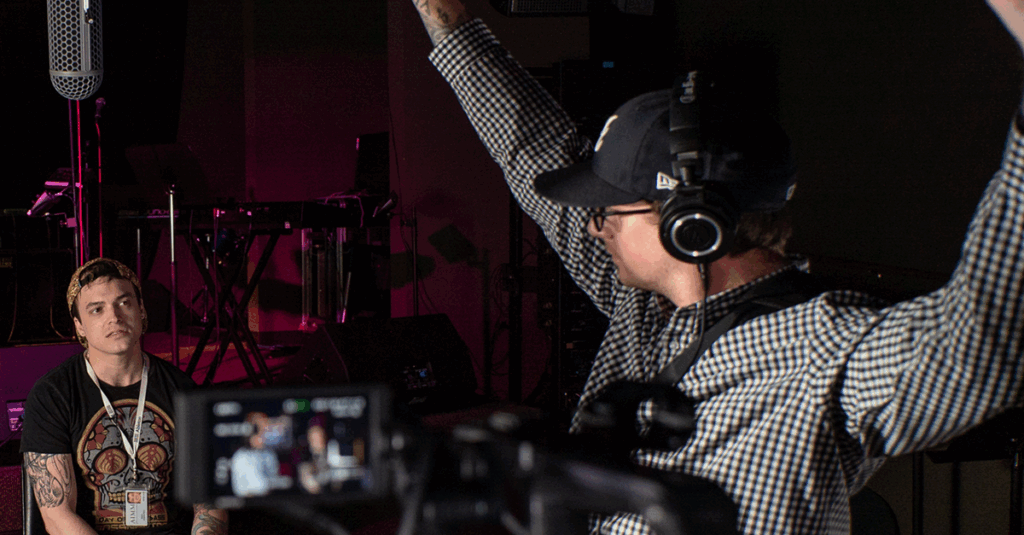
Skills Needed for Music Festival Careers
Success in live event production and touring requires a combination of technical knowledge, communication skills, and adaptability.
Technical Skills
Many music festival careers involve working directly with audio systems, stage equipment, lighting setups, or production software.
Understanding signal flow, live audio systems, equipment setup, and troubleshooting techniques can help professionals perform effectively in high-pressure environments.
Hands-on experience with production workflows and audio technology is especially valuable for live sound and stage production roles.
Communication and Teamwork
Music festivals require constant collaboration between crews, artists, venue staff, and event coordinators.
Strong communication skills help ensure that production schedules stay organized and technical operations run smoothly throughout the event.
Adaptability and Problem-Solving
Live events are unpredictable. Weather changes, technical issues, and scheduling adjustments can happen quickly during festivals and touring productions.
Professionals working in live entertainment need to stay calm under pressure and solve problems efficiently in real time.

How to Start Working in the Music Festival Industry
Many professionals begin building experience in the live event industry through internships, entry-level production work, or local concert and venue opportunities.
Working with smaller events and production teams can help aspiring professionals develop technical skills, industry connections, and hands-on experience with live workflows.
Networking is also an important part of the touring and festival industry. Building relationships with production crews, engineers, venue staff, and artists can lead to future opportunities.
Training programs focused on music production and audio technology can help students develop foundational technical skills used across live sound and event production careers.
Students interested in building modern production and audio skills can explore AIMM’s online music production school to learn more about industry-standard workflows and music technology training.
Music Festival Careers in Today’s Live Entertainment Industry
The live entertainment industry continues to evolve as festivals incorporate larger productions, immersive technology, live streaming, and expanded digital experiences.
Many festivals now rely on integrated teams working across audio, lighting, media, video production, and digital content creation to support both in-person audiences and online engagement.
As touring and experiential entertainment continue to grow, professionals with technical production skills and live event experience will remain valuable throughout the industry.
For individuals who enjoy music, collaboration, travel, and fast-paced environments, music festival careers can offer exciting opportunities across live entertainment and touring.
For students interested in developing technical production and live audio skills, hands-on training can provide valuable experience for careers in live entertainment and touring.
Visit AIMM or Learn More
If you’re interested in developing audio production and music technology skills for careers in live entertainment, speaking with the admissions team is a great place to start.
Campus Tour Virtual Tour Talk With AdmissionsYou can also explore upcoming events:
Frequently Asked Questions
What jobs are available at music festivals?
Music festival careers include live sound engineering, stage production, tour management, lighting, media creation, artist support, and event operations.
How do you get a job working music festivals?
Many professionals start through internships, local event production work, networking, and hands-on experience with live audio and production systems.
Are music festival careers in demand?
Yes. As live entertainment and touring continue to grow, there is ongoing demand for technical and production professionals in the festival industry.
Do music festival jobs require a degree?
Not always. Many professionals build careers through hands-on training, technical experience, and industry networking.
What does a live sound engineer do?
Live sound engineers manage audio systems during performances to ensure clear and balanced sound for both performers and audiences.
Conclusion
Music festival careers offer exciting opportunities for individuals interested in live entertainment, touring, audio production, and event technology.
From live sound engineering and stage production to media creation and tour management, the festival industry relies on skilled professionals working behind the scenes to create memorable live experiences.
As live entertainment continues to evolve, professionals with technical production skills, adaptability, and hands-on experience will remain an important part of the music industry.
As live entertainment and touring continue to evolve, professionals with technical production experience and strong collaboration skills will remain an essential part of the music festival industry.
Featured Posts
How to Make Music on a Chromebook: Software and Setup Guide

Best Music Studio App for iPhone & Android
The Best Free Music Production Software for Mac & Windows